
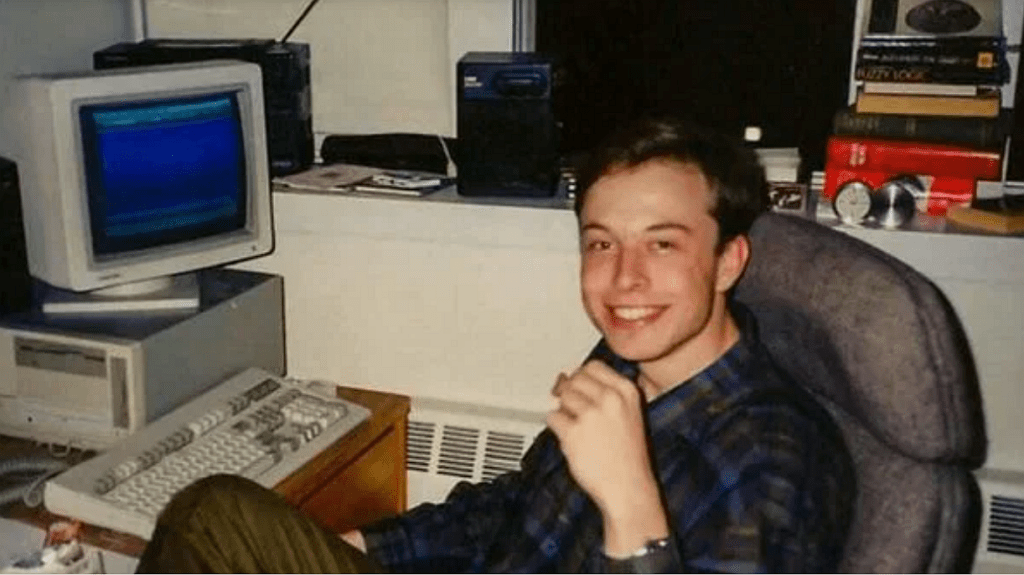
1984
At the age of 12, Elon Musk created his first video game, Blastar, a space-themed game inspired by classics like Space Invaders. The game featured players controlling a spaceship to navigate through space while battling alien freighters and avoiding obstacles.
Blaster
https://blastar-1984.appspot.com/
1995
First venture, Zip2, was an innovative online business directory that combined business listings with digital maps, making it easier to find local businesses. Launched in 1995.
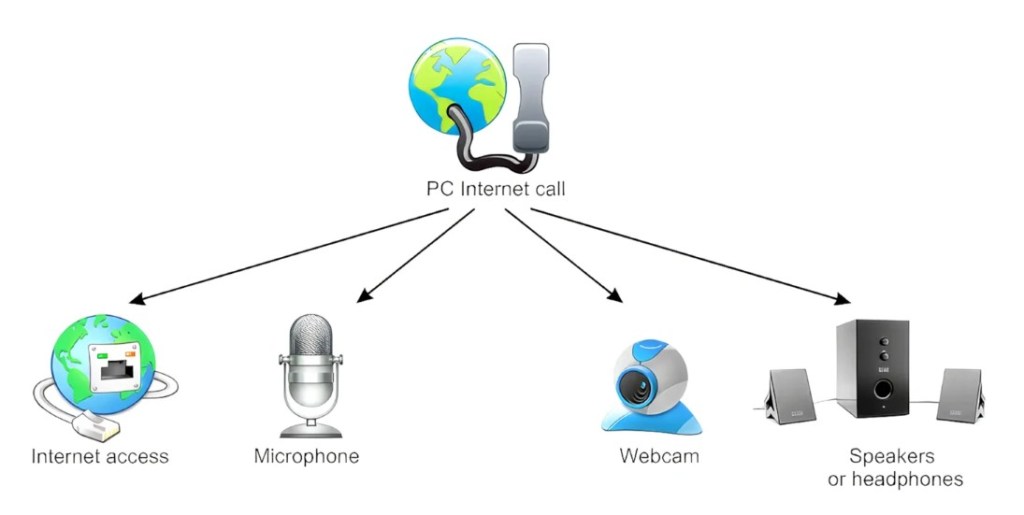
1997
Elon Musk patented a technology enabling computers to call landlines directly from web pages. Granted in 2001, this innovation allowed users to click on a phone number on a website and be connected via a call center. Though not a full video chat system, it was a precursor to platforms like FaceTime and Zoom, showcasing Musk’s early vision for the future of digital communication.
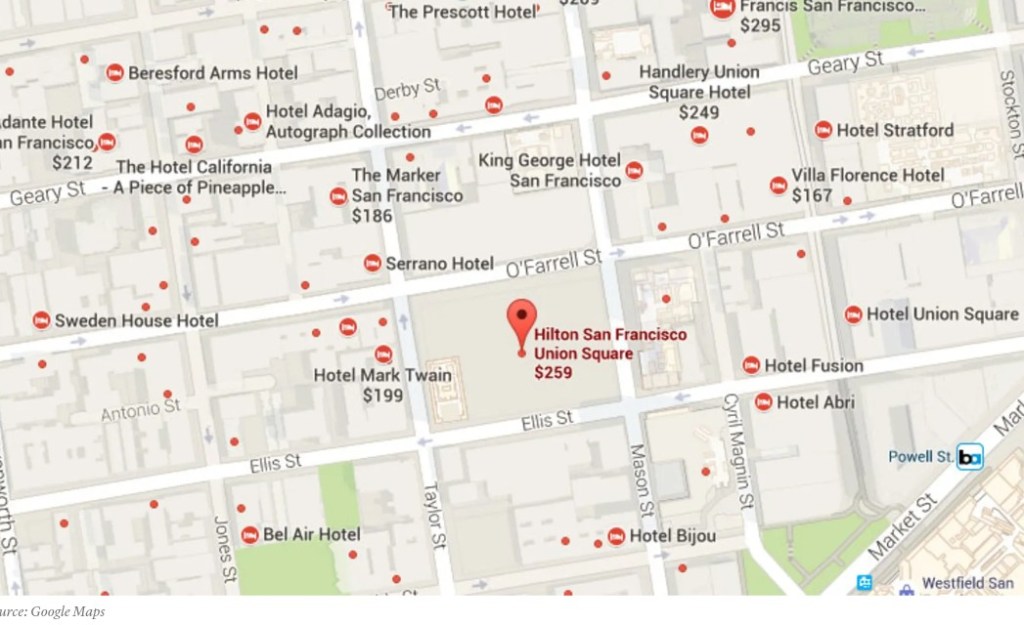
1998
Elon Musk patented a system designed to enhance geographic search efficiency. The technology would automatically widen the search area until enough results were found, eliminating the need for users to manually adjust their search. This invention, aimed at improving location-specific searches, is now integral to platforms like Google, where users can easily find businesses close to their location. Musk’s early vision laid the foundation for today’s location-based search capabilities.

1999
X.com, founded by Elon Musk in 1999, was one of the first federally insured online banks, offering services like online bank accounts, payments, and investments. In 2000, it merged with Confinity, which led to the creation of PayPal. Musk was later ousted as CEO, and in 2002, eBay acquired PayPal for $1.5 billion. Musk later reacquired the X.com domain in 2017, and in 2023, Twitter was rebranded as X, marking the return of his long-held vision for an all-in-one platform.
2004
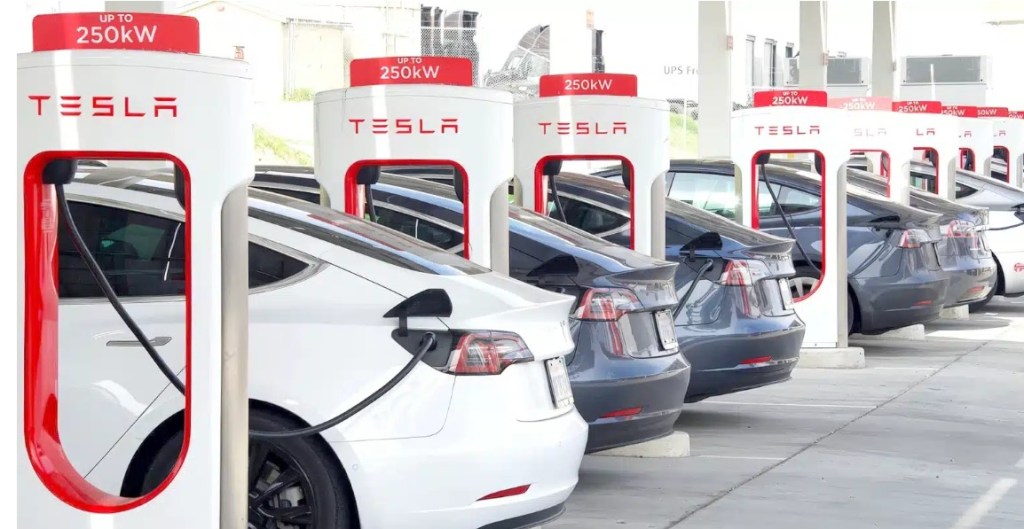
Elon Musk joined Tesla in 2004 as a major funder and quickly became the driving force behind its success. As CEO and product architect, Musk transformed the company into a leader in electric vehicles and sustainable energy. His vision to reduce global reliance on fossil fuels led to groundbreaking innovations, including electric vehicles like the Model S, Model 3, and Model X, which revolutionised the automotive industry.

2006
Elon Musk and his cousins Peter and Lyndon Rive in 2006, SolarCity is a provider of solar energy systems to customers in the United States. By 2011, SolarCity has quickly risen to become the largest installer of solar panels in the United States.

2013
Hyperloop, a revolutionary mode of transportation, capable of reaching speeds over 700 mph. The system consists of pressurised capsules moving through low-pressure tubes, reducing air resistance for ultra-fast, energy-efficient travel. Unlike traditional rail, Hyperloop uses air bearings or magnetic levitation, with linear electric motors providing propulsion.
Musk described it as a “fifth mode of transport,” aiming for collision-free, weather-independent, and environmentally friendly travel. While still in development, the concept has inspired multiple prototypes and research initiatives, with Tesla and SpaceX engineers contributing to its open-source design.

2016
Founded by Elon Musk in 2016, Neuralink develops brain-computer interfaces to treat neurological disorders and enhance human potential. In 2024, it successfully implanted its first device in a human.

2023
xAI, founded by Elon Musk in 2023, is an AI research company dedicated to developing artificial intelligence that prioritises safety and benefits for humanity. Musk’s vision for xAI reflects his broader commitment to shaping technology with a focus on minimising potential risks while advancing innovation.

 Elon Musk Fans